Dự án CRMGG khép lại với những dấu ấn bền vững trong quản lý nước dưới đất tại Việt Nam
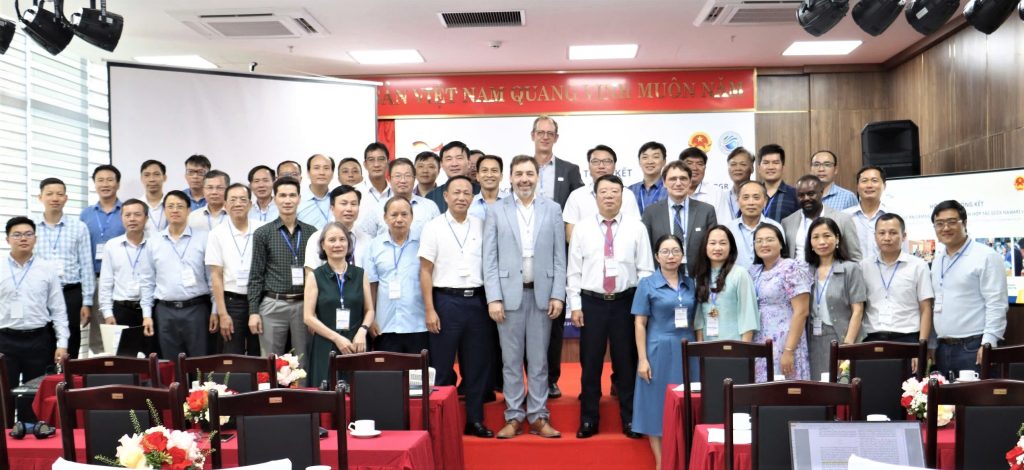
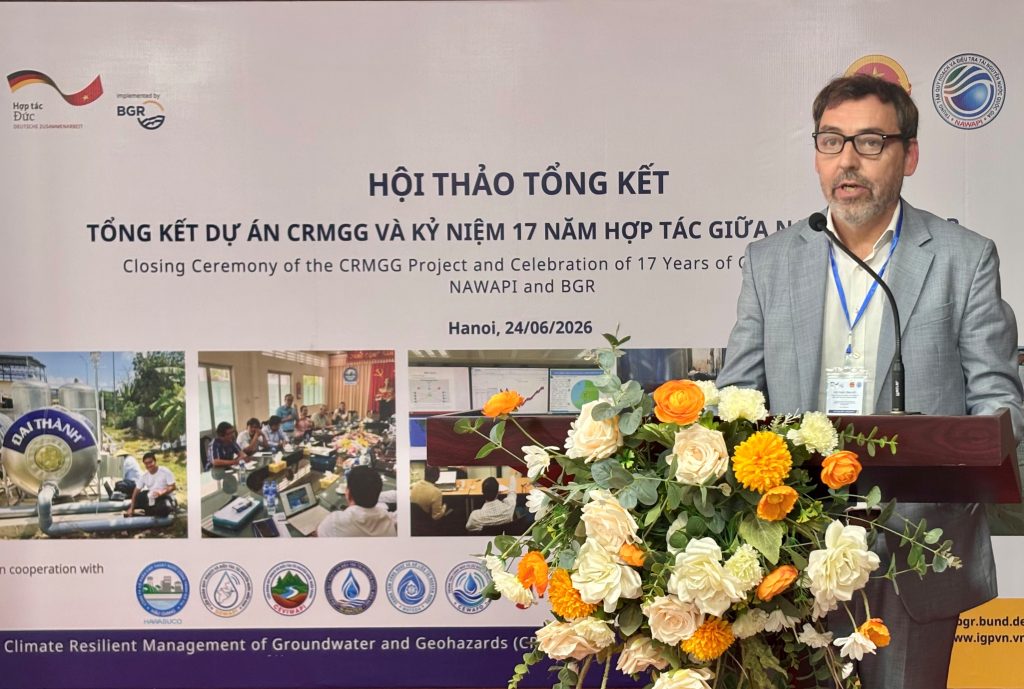
Hà Nội, ngày 24 tháng 6 năm 2026 – Dự án Quản lý nước dưới đất và tai biến địa chất thích ứng với biến đổi khí hậu (CRMGG) đã chính thức khép lại bằng Hội thảo tổng kết do Trung tâm Quy hoạch và Điều tra tài nguyên nước quốc gia (NAWAPI) phối hợp với Viện Khoa học Địa chất và Tài nguyên Liên bang Đức (BGR) tổ chức. Sự kiện đồng thời đánh dấu 17 năm hợp tác thành công giữa Việt Nam và CHLB Đức trong lĩnh vực quản lý nước dưới đất, ghi nhận một cột mốc quan trọng trong mối quan hệ hợp tác lâu dài và hiệu quả giữa hai cơ quan.
Được tài trợ bởi Bộ Hợp tác Kinh tế và Phát triển Liên bang Đức (BMZ), Dự án CRMGG được triển khai trong giai đoạn 2022–2026 với mục tiêu tăng cường năng lực thể chế, hoàn thiện khung chính sách và nâng cao năng lực kỹ thuật nhằm thúc đẩy quản lý tài nguyên nước dưới đất thích ứng với biến đổi khí hậu tại Việt Nam.
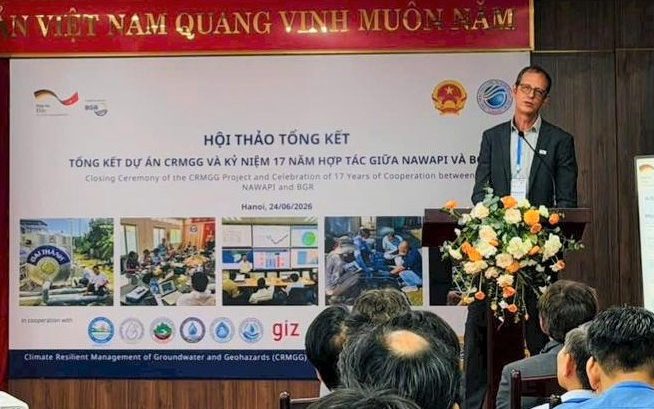
Theo ông Andreas Renck, Trưởng nhóm chuyên gia BGR, Dự án được triển khai dựa trên bốn trụ cột chính gồm: phát triển năng lực, thúc đẩy các giải pháp thực tiễn, chuyển đổi số và tư vấn khoa học kết hợp nâng cao nhận thức. Các hợp phần này đã bổ trợ lẫn nhau, góp phần xây dựng nền tảng khoa học và kỹ thuật phục vụ quản lý bền vững tài nguyên nước dưới đất cũng như tăng cường khả năng thích ứng với biến đổi khí hậu tại Đồng bằng sông Cửu Long và một số tỉnh ven biển.
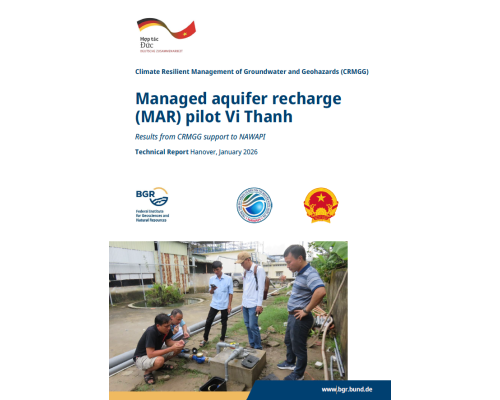
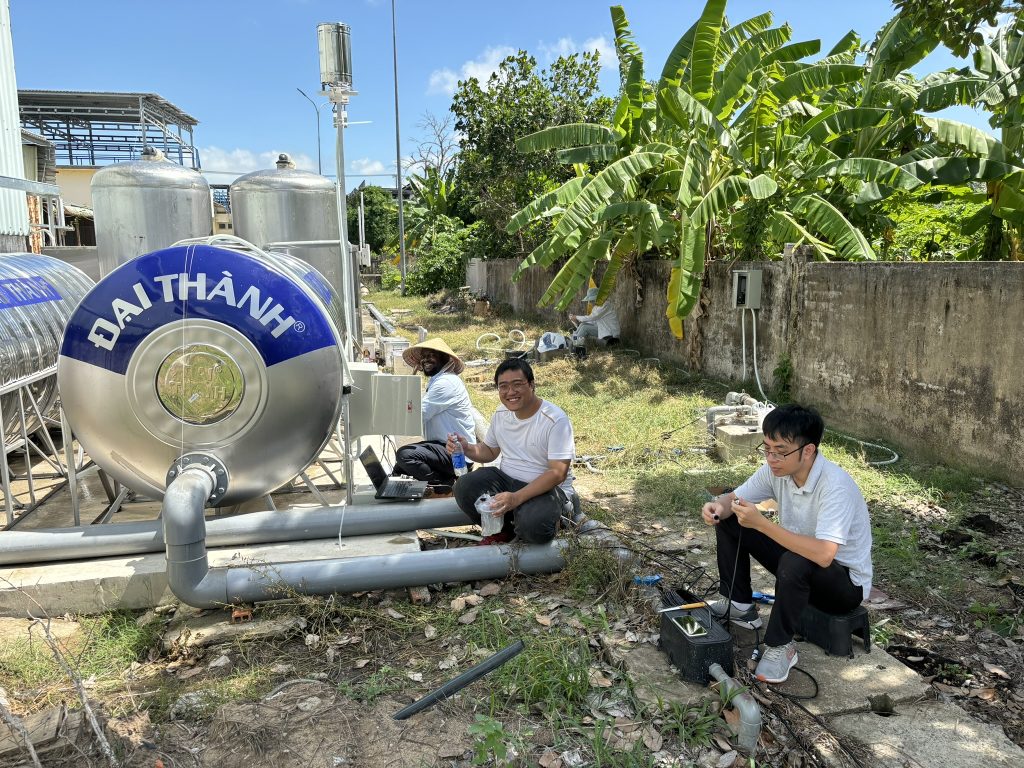
Một trong những thành tựu nổi bật của Dự án là thử nghiệm thành công giải pháp Bổ sung nhân tạo nước dưới đất (Managed Aquifer Recharge – MAR) nhằm ứng phó với tình trạng thiếu nước ngọt theo mùa. Các mô hình thí điểm tại tỉnh Hậu Giang đã chứng minh tính khả thi của việc tích trữ nước ngọt trong tầng chứa nước vào mùa mưa và khai thác trở lại vào mùa khô, mở ra một giải pháp hiệu quả về chi phí nhằm tăng cường an ninh nguồn nước, đồng thời giảm áp lực khai thác nước dưới đất.
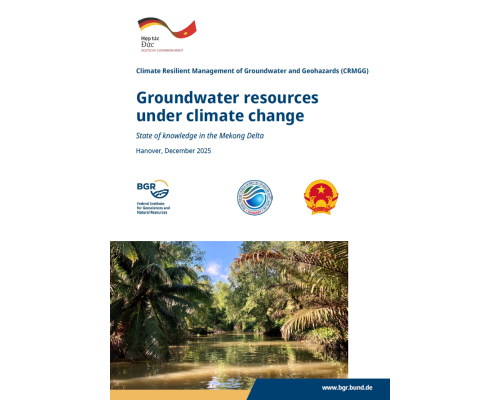
Bên cạnh đó, Dự án cũng đạt được nhiều kết quả quan trọng trong nghiên cứu sụt lún đất, quan trắc nước dưới đất và mô hình địa chất thủy văn, cung cấp những cơ sở khoa học tin cậy phục vụ công tác hoạch định chính sách và quản lý tài nguyên nước dưới đất trong thời gian tới.
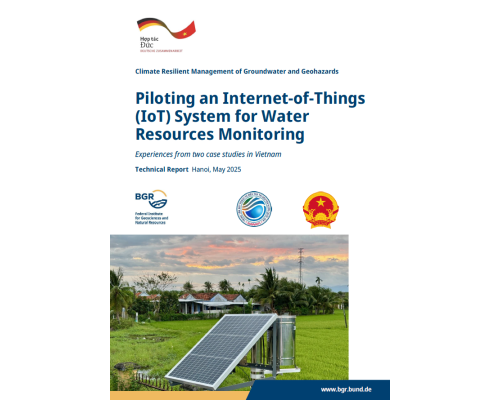
Một dấu ấn quan trọng khác của CRMGG là những đóng góp nổi bật đối với quá trình chuyển đổi số của NAWAPI. Dưới sự dẫn dắt của chuyên gia công nghệ thông tin BGR cùng nhóm chuyên gia CNTT Việt Nam – Đức, Dự án đã xây dựng thành công hạ tầng Dữ liệu lớn (Big Data) dựa trên nền tảng mã nguồn mở Hadoop, đồng thời phát triển nhiều nền tảng số phục vụ quản lý tài nguyên nước, bao gồm hệ thống quan trắc nước dưới đất ứng dụng công nghệ Internet vạn vật (IoT) và các bảng điều khiển trực quan (dashboard) sử dụng Grafana và Microsoft Power BI.
Các giải pháp số này đã chuyển đổi nguồn dữ liệu phân tán thành hệ thống hỗ trợ ra quyết định tích hợp, góp phần nâng cao hiệu quả quản lý tài nguyên nước dựa trên bằng chứng khoa học, đồng thời hỗ trợ thực hiện Chương trình Chuyển đổi số quốc gia cũng như nhiều Mục tiêu Phát triển bền vững (SDGs) của Việt Nam.
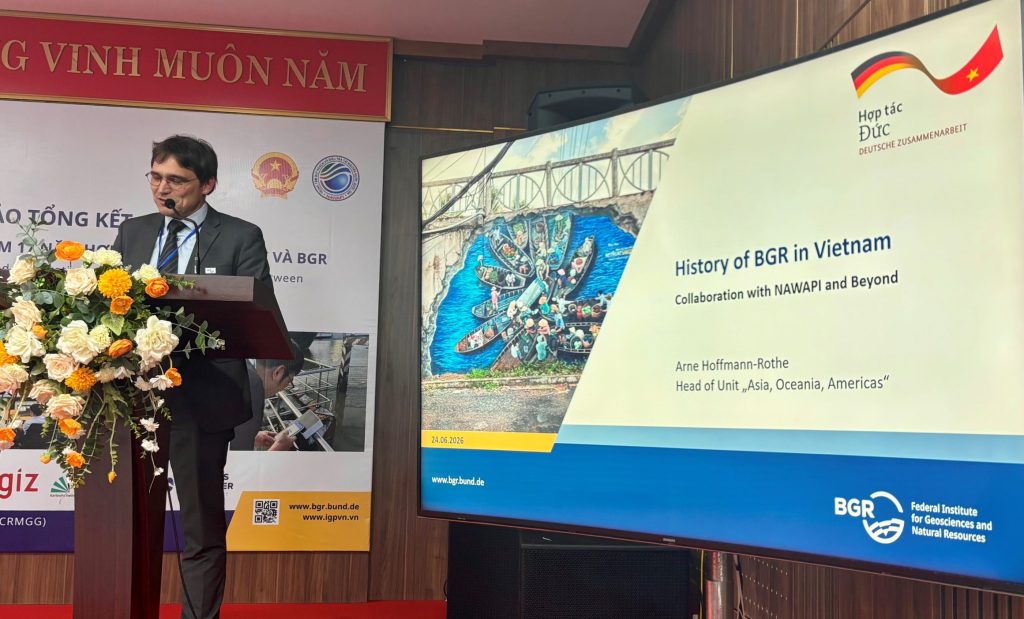 Nhìn lại chặng đường hợp tác giữa hai bên, TS. Arne Hoffmann-Rothe, Trưởng Ban chuyên môn của BGR, nhấn mạnh rằng kể từ năm 2009, quan hệ hợp tác giữa BGR và NAWAPI đã không ngừng phát triển, từ các hoạt động điều tra, quan trắc nước dưới đất đến hỗ trợ xây dựng chính sách, nâng cao năng lực cho các địa phương, thích ứng với biến đổi khí hậu, thúc đẩy đổi mới sáng tạo và chuyển đổi số, cũng như tăng cường hợp tác nghiên cứu khoa học. Trong suốt 17 năm qua, quan hệ đối tác này luôn linh hoạt thích ứng trước những thách thức mới, đồng thời góp phần nâng cao năng lực của Việt Nam trong quản lý và khai thác bền vững tài nguyên nước dưới đất.
Phát biểu tại Hội thảo, ông Santiago Alonso Rodriguez, Bí thư thứ Nhất kiêm Trưởng Bộ phận Hợp tác Phát triển của Đại sứ quán CHLB Đức tại Hà Nội, đánh giá CRMGG là một minh chứng điển hình cho hiệu quả của hợp tác phát triển giữa Việt Nam và Đức trong lĩnh vực tài nguyên nước và thích ứng với biến đổi khí hậu.
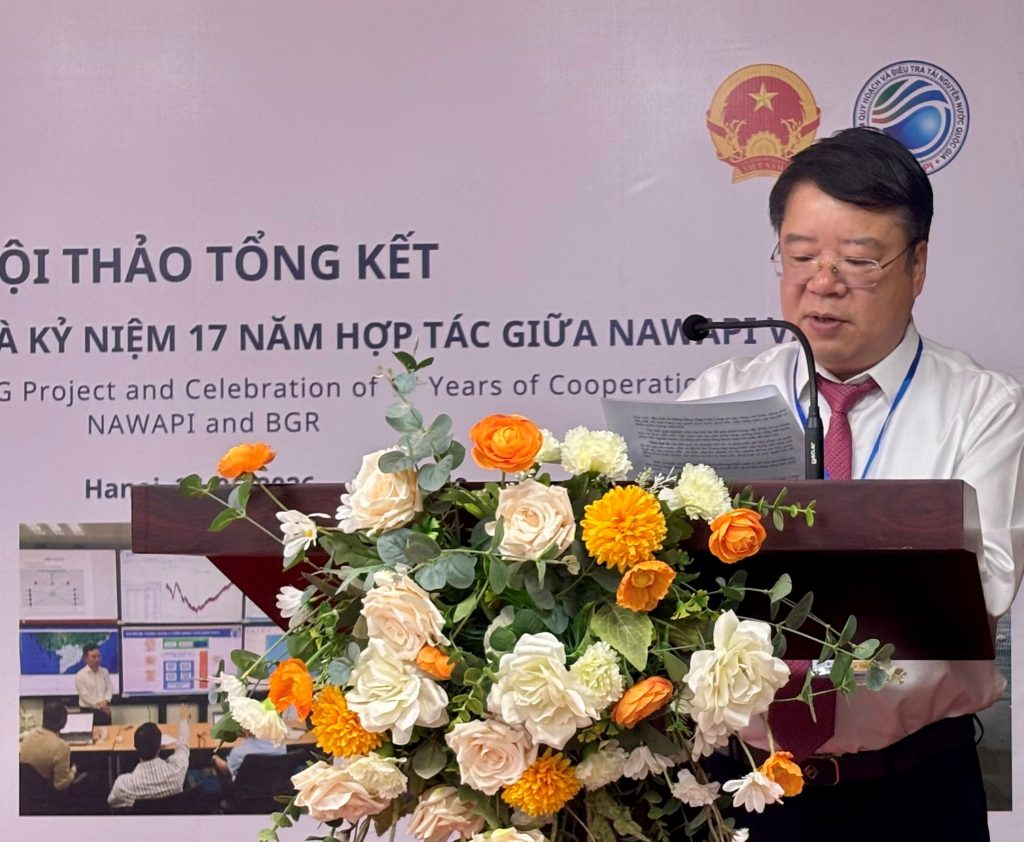
Về phía Việt Nam, TS. La Đức Dũng, Tổng Giám đốc Trung tâm Quy hoạch và Điều tra tài nguyên nước quốc gia, khẳng định giá trị bền vững mà Dự án để lại không chỉ nằm ở những kết quả nghiên cứu khoa học mà còn ở năng lực thể chế được củng cố, hạ tầng số hiện đại được hình thành và mạng lưới hợp tác ngày càng chặt chẽ giữa các cơ quan trung ương và địa phương.
Mặc dù Dự án CRMGG đã chính thức khép lại, những tri thức, công nghệ và mối quan hệ hợp tác được vun đắp trong suốt quá trình triển khai sẽ tiếp tục tạo nền tảng vững chắc cho các chương trình hợp tác trong tương lai, góp phần nâng cao khả năng chống chịu của tài nguyên nước dưới đất, thúc đẩy chuyển đổi số trong ngành tài nguyên nước và bảo vệ nguồn nước của Việt Nam trước những tác động ngày càng gia tăng của biến đổi khí hậu.